
When a loved one experiences a major health event—like a stroke, a severe injury, or major surgery—the road ahead can feel overwhelming. Often, a doctor will say they are medically stable enough to leave the hospital, but they aren’t quite strong enough to handle daily life at home. This is where inpatient rehabilitation steps in.
An inpatient rehabilitation facility (IRF) provides an intensive, short-term treatment program designed to help individuals rebuild strength, regain critical daily skills, and transition safely back home.
What Exactly is Inpatient Rehabilitation?
Unlike outpatient care where you travel back and forth for appointments, inpatient rehab requires your loved one to live at a specialized hospital or dedicated unit. It bridges the gap between acute hospital stays and returning home.
The primary goal is functional recovery. Programs focus on helping individuals relearn activities of daily living (ADLs), such as:
- 🚶♂️ Mobility: Walking, climbing stairs, and safely getting in and out of bed.
- 🧼 Self-care: Bathing, dressing, grooming, and using the restroom.
- 🧠 Cognition: Memory, speech, clarity, and problem-solving.
- 🍲 Swallowing: Overcoming eating and drinking difficulties caused by neurological issues.
The “3-Hour Rule”: What Makes It Different?
The biggest differentiator between inpatient rehab and other care settings (like a standard nursing home) is the intensity of therapy.
To qualify for inpatient rehab, a patient must be able to tolerate an intensive rehabilitation schedule, commonly known as the 3-hour rule. This means participating in a minimum of 3 hours of therapy per day, at least 5 days a week. This time is broken up into shorter, manageable 30- to 60-minute sessions throughout the day, with plenty of rest periods built in.
Your Multidisciplinary Care Team
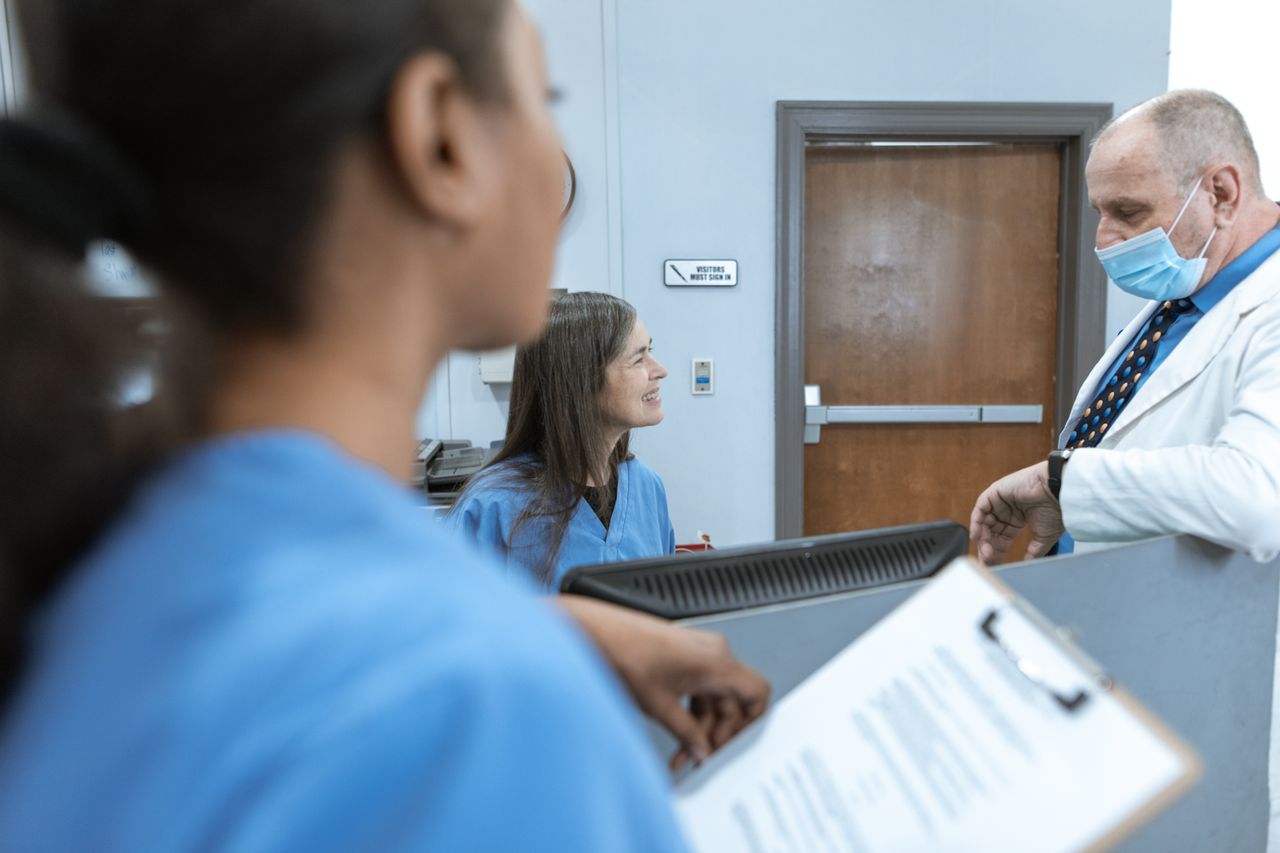
Recovery takes a village. In an inpatient facility, your family is supported by a tightly coordinated team of specialists who hold regular conferences to track progress. Your team typically includes:
- Physiatrists: Doctors who specialize in physical medicine and rehabilitation to oversee all medical care.
- Physical Therapists (PT): Specialists focused on improving strength, balance, and walking.
- Occupational Therapists (OT): Experts who help modify daily tasks so your loved one can safely dress, cook, and manage a household.
- Speech-Language Pathologists (SLP): Therapists who address communication challenges, memory problems, and swallowing disorders.
- Rehabilitation Nurses: 24/7 medical staff who manage medications, wound care, and daily comfort.
- Case Managers & Social Workers: Your primary allies who help navigate insurance, coordinate discharge planning, arrange home medical equipment, and schedule follow-up care.
Inpatient Rehab vs. Skilled Nursing Facilities (SNFs)
Families often confuse inpatient rehab with a nursing home or skilled nursing facility. While both offer recovery care, they cater to very different needs:
| Feature | Inpatient Rehab Facility (IRF) | Skilled Nursing Facility (SNF) |
|---|---|---|
| Therapy Intensity | Intensive (3+ hours/day, 5 days a week) | Less intensive (often 1–2 hours/day) |
| Medical Supervision | Daily physician visits; 24/7 specialized nursing | Physician visits a few times a week |
| Average Stay | Shorter and goal-driven (typically 12 to 16 days) | Longer recovery period (averaging 28 days) |
| Primary Goal | Fast, independent return to the community | Long-term recovery or physical maintenance |
How Families Can Best Support the Process
As a caregiver, your involvement is crucial. You don’t have to do the heavy lifting, but you can heavily impact their success:
- Attend Family Training: Therapists will teach you how to safely help your loved one move, prevent falls, and navigate your specific home layout.
- Bring Comforts from Home: Pack loose-fitting clothes (sweatpants, t-shirts), supportive non-slip sneakers, and familiar personal items like family photos or a favorite blanket.
- Be the Cheerleader: The schedule is demanding. Encouraging rest during breaks and celebrating small milestones keeps motivation high.
Preparing for the Next Chapter
Inpatient rehabilitation is hard work, but studies show it provides the highest chance of a successful return home and a much lower risk of needing to go back to the hospital. By pushing boundaries in a safe, medically supervised environment, patients don’t just recover—they reclaim their independence and peace of mind.