

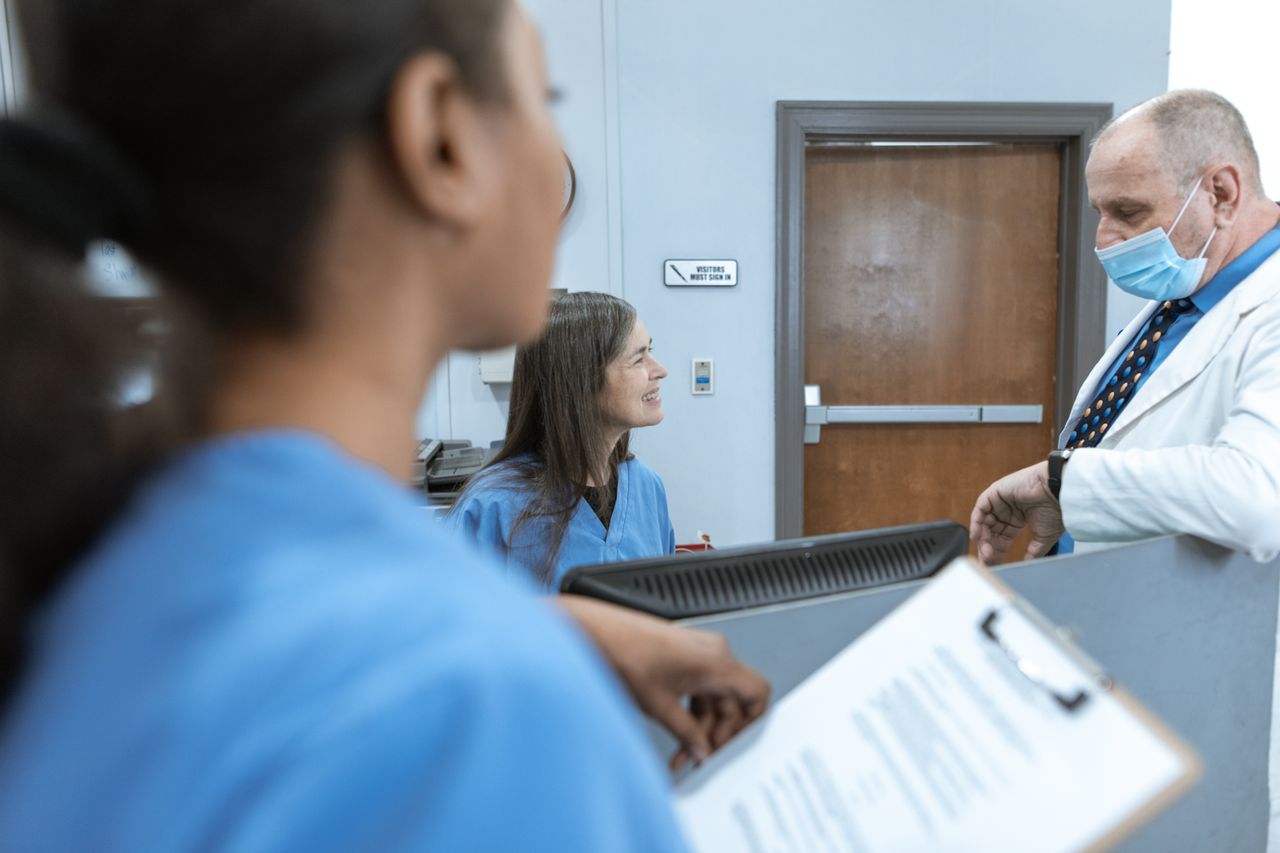
If you or a loved one are preparing to leave the hospital after a surgery, stroke, or major illness, a doctor might recommend transitioning to a Skilled Nursing Facility (SNF) before you head home. Hearing that you need to go to a “facility” can feel overwhelming, but understanding what to expect can ease your anxiety and help you focus entirely on your recovery.
A skilled nursing facility is one step down in level of care from a hospital. It bridges the gap between your hospital bed and your front door, providing the 24/7 medical supervision and intensive rehabilitation you need to regain your strength and independence safely.
🛠️ What Happens When You Arrive?
The primary goal of a short-term SNF stay is to help you recover and get discharged back home. Here is what your first few days will look like:
- Room Assignment: You will be settled into a room, which may be private or shared depending on availability.
- Medical Assessment: A physician will evaluate you within 72 hours of your arrival to review your hospital charts and customize your care.
- Medication Care: Do not bring your personal medications from home. The on-site nursing staff will supply, manage, and administer all of your medications to ensure proper timing and safety.
- Safety First: SNF beds generally do not have bed rails or alarms. To prevent falls, you will be instructed to always ask staff for assistance when getting out of bed or using the restroom.
📋 The Services and Therapies You Will Receive
Your daily schedule will be structured around a personalized rehabilitation plan. Highly trained, licensed health professionals will work with you right on-site, saving you the exhaustion of traveling to appointments.
Depending on your medical needs, your care plan may include:
- Physical Therapy (PT): To rebuild your muscle strength, improve balance, and help you walk safely again.
- Occupational Therapy (OT): To help you relearn how to manage daily tasks independently, such as dressing, bathing, and cooking.
- Speech Therapy (SLP): To assist with swallowing difficulties or speech and communication challenges following a stroke.
- Complex Medical Care: Registered nurses handle specialized treatments like IV therapy, wound care, and managing chronic conditions.
🍽️ Life Beyond Rehabilitation
While your main job is working hard in therapy, SNFs are designed to support your mental and emotional well-being, too. Healing requires holistic support, which is why most facilities provide:
- Nutritional Services: You will receive three delicious, nutritious meals a day tailored to any dietary restrictions (like diabetic or low-sodium needs).
- Social Activities: To combat isolation, facilities host game nights, group exercises, art classes, and holiday events.
- Amenities: Many locations feature common lounges, libraries, courtyards, and even on-site beauty salons or barber shops.
🧳 What to Pack for Your Stay
To make your transition as smooth as possible, pack a small bag with the essentials:
- Clothing: 3 to 4 days of loose, comfortable clothes (like sweatpants and t-shirts) that are easy to move in during therapy.
- Footwear: Sturdy, rubber-soled athletic shoes to prevent slipping during rehabilitation.
- Documents: Your insurance cards, a list of known allergies, and any advanced directives.
- What to Leave Behind: Keep valuables, jewelry, and large amounts of cash at home.
🏡 Planning Your Return Home
From the day you admit, the facility’s team is looking toward your graduation day. While your exact length of stay depends on how quickly your body heals, the ultimate objective is always a safe return home. When you are ready to be discharged, the staff will coordinate any necessary home health care services or medical equipment to ensure your continued success at home.
Think of your stay at a skilled nursing facility not as a permanent move, but as an active, empowering pitstop on your journey back to complete independence.uring that each point naturally progresses to the next. By structuring your body content effectively, you keep readers engaged and eager to learn more.